
Adjustable lamp: cleaned technical line art
The sketch’s base, two arms, pivot joints, and shade become cleaner contours. Check joint positions and arm lengths so cleanup does not alter the concept.
Convert a hand-drawn product concept into a cleaner patent-style image draft. Upload a sketch, identify the main parts, and review the resulting PNG against your intended design.
Free to try ·
Your patent drawing will appear here
Describe the view and components to generate a PNG for review.
A clear prompt helps direct the composition, while a human review checks the image against the invention.
Upload the sketch in the full workspace and add a short written explanation. Distinguish construction marks from actual edges and state what connects at each joint.
Identify the lamp’s base, arms, pivots, and shade. Ask for clean continuous outlines while retaining the original arm arrangement and joint positions.
Check geometry, numbering, and view consistency. PNG images do not contain editable CAD or vector layers, and filing requirements need a separate review.
Upload the sketch in the full workspace and add a short written explanation. Distinguish construction marks from actual edges and state what connects at each joint.
Identify the lamp’s base, arms, pivots, and shade. Ask for clean continuous outlines while retaining the original arm arrangement and joint positions.
Check geometry, numbering, and view consistency. PNG images do not contain editable CAD or vector layers, and filing requirements need a separate review.
Inspect an articulated lamp drawing, its rough concept sketch and a bottle sketch-to-line-art comparison to separate cleanup from redesign.
The sketch’s base, two arms, pivot joints, and shade become cleaner contours. Check joint positions and arm lengths so cleanup does not alter the concept.
Pencil construction lines communicate a round base, articulated arms, and shade. The rough drawing defines the concept; ambiguous joints still need a written explanation.
The bottle, screw cap, and separate cartridge keep their relative proportions. The paired illustration shows how rough construction lines can become clean outlines and part references.
Clean the lines without changing the concept · Explain ambiguous details in the sketch · Compare proportions and part references
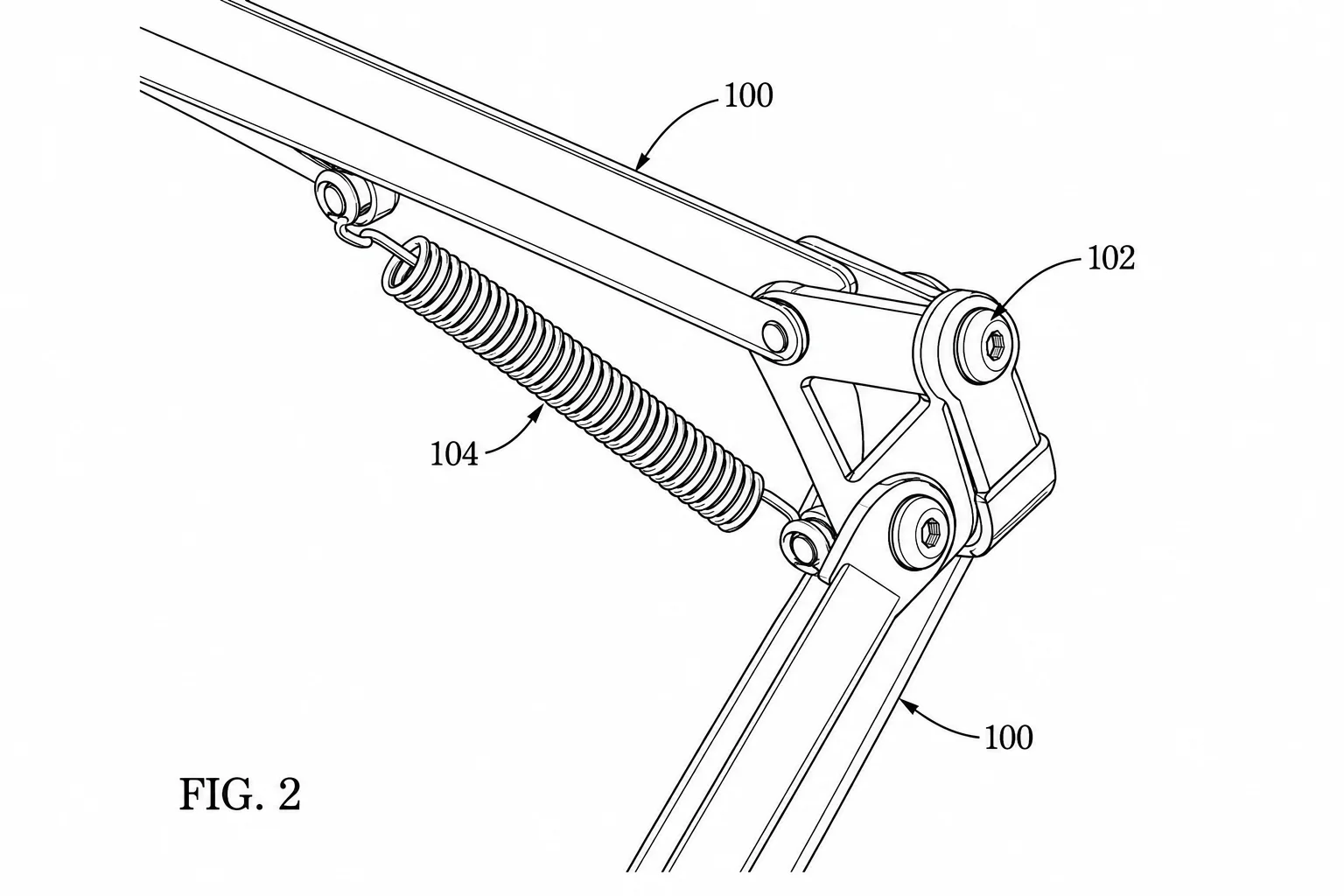
Identify the lamp’s base, arms, pivots, and shade. Ask for clean continuous outlines while retaining the original arm arrangement and joint positions.
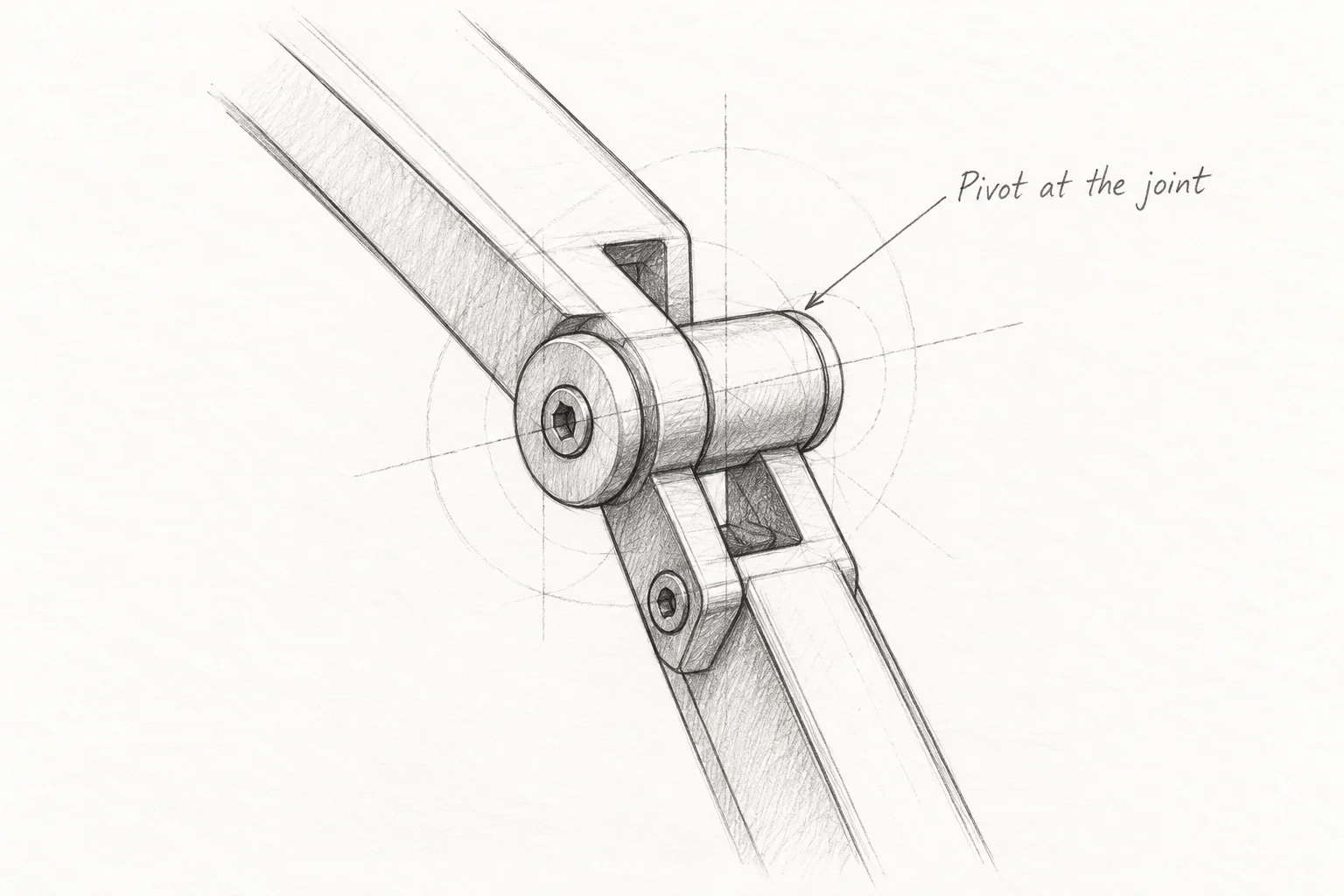
Upload the sketch in the full workspace and add a short written explanation. Distinguish construction marks from actual edges and state what connects at each joint.
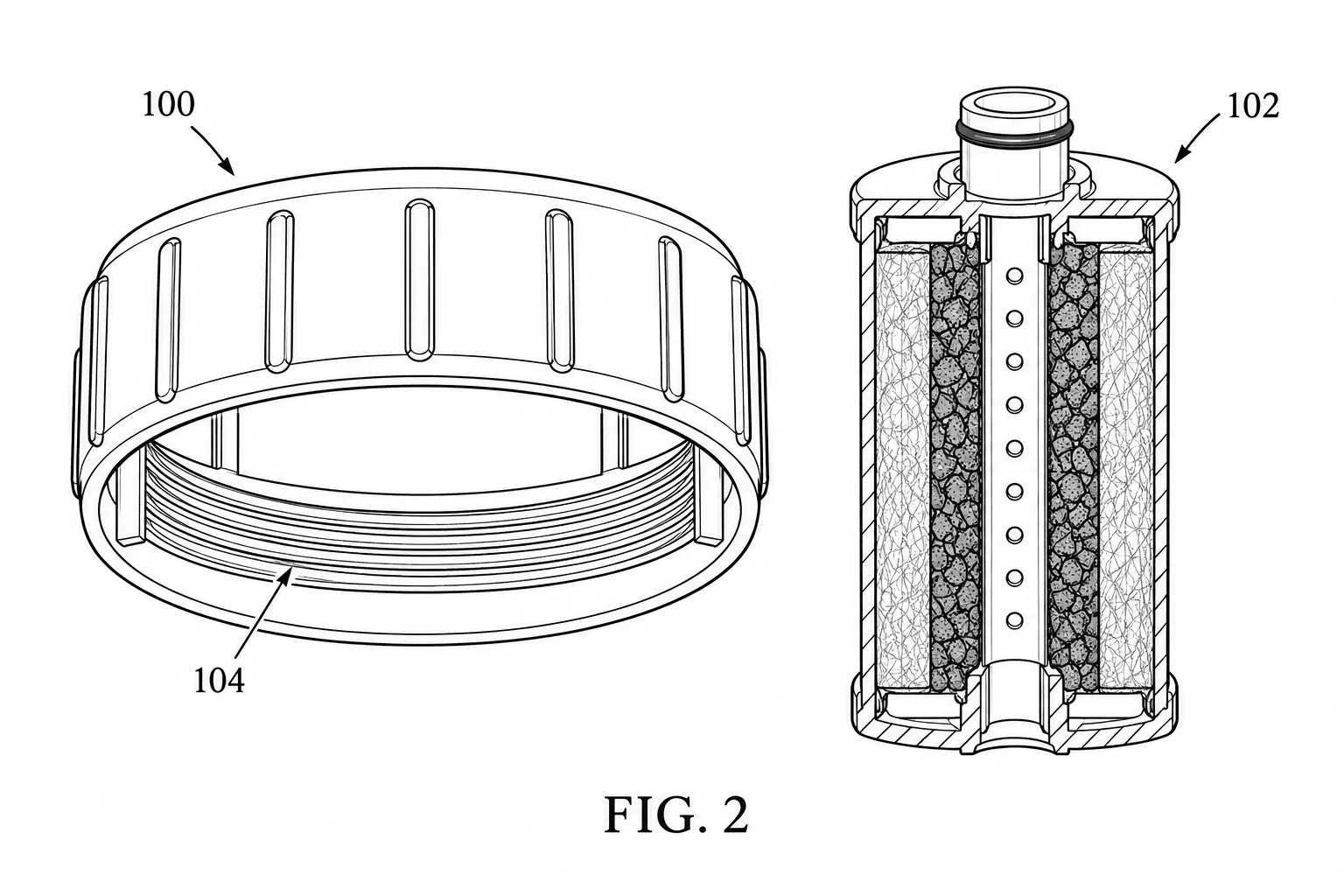
Inspect connected parts individually when the sketch is ambiguous. The enlarged cap and cartridge show how thread profiles and relative sizes can be checked without judging the complete bottle by appearance alone. Describe unclear junctions in words before requesting cleaner outlines.
Compare subscription plans and one-time credit packs for AI patent drawing generation. Every generated image downloads as PNG and should be reviewed before use.
For occasional patent drawings.
Includes
For regular invention and product workflows.
Includes
For frequent, high-volume image generation.
Includes







 Patent drawing
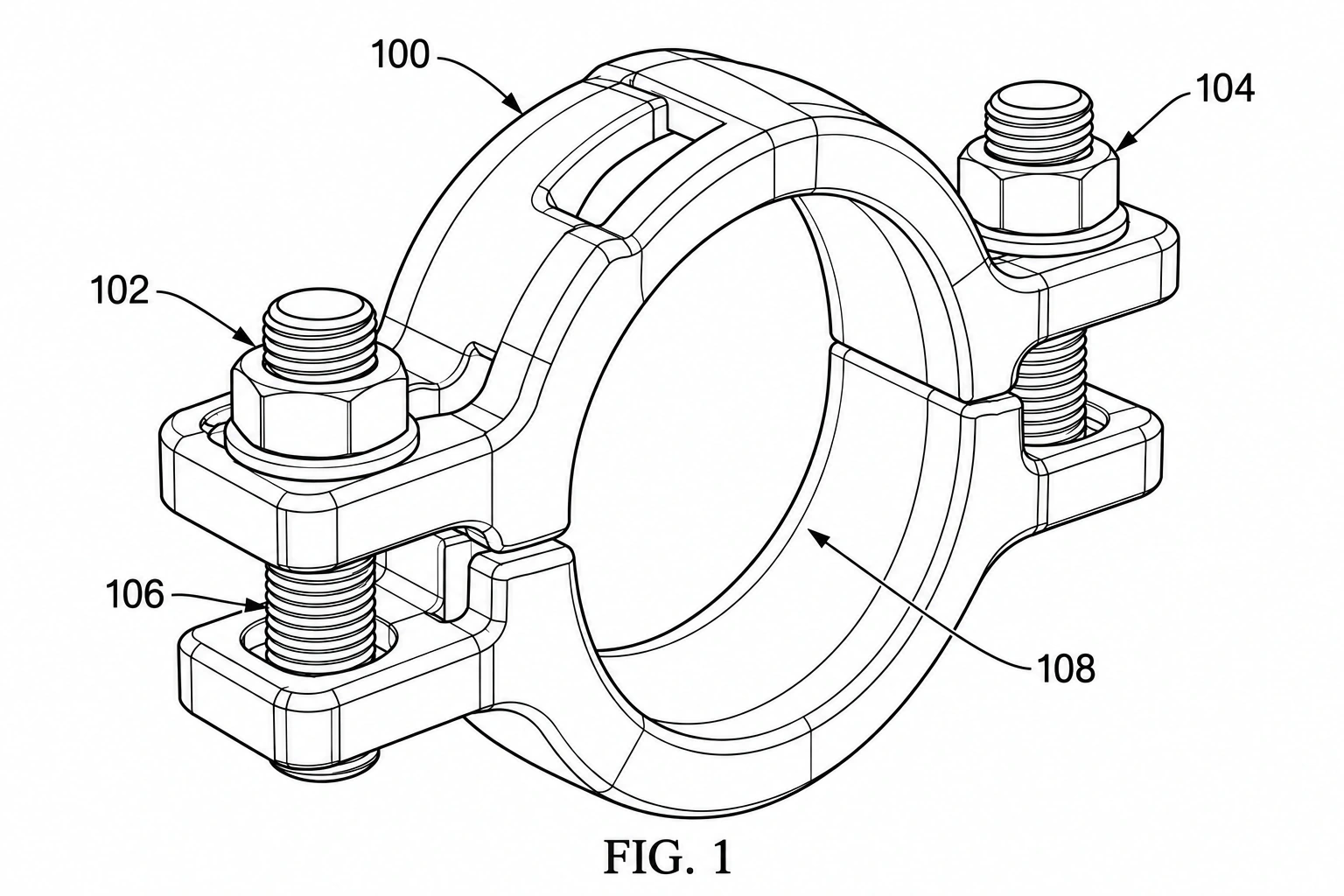
Use a CAD screenshot or render as a visual reference for a patent-style drawing draft. Upload a raster image, describe the product view you need, then inspect the PNG for details that require correction.
 Patent drawing
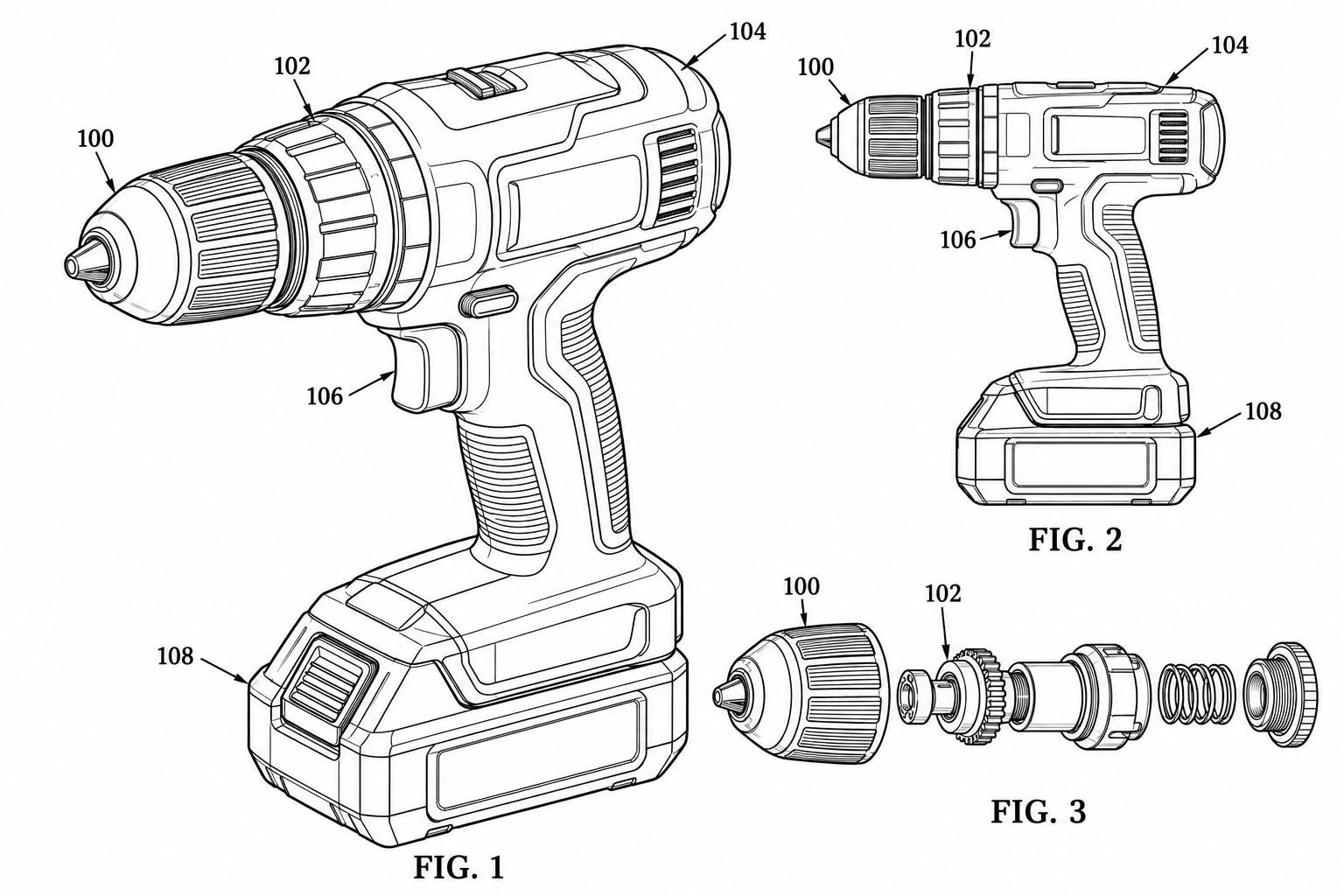
Create a monochrome technical drawing draft for a mechanical invention. Describe the mechanism and its visible parts, request an appropriate view, and review the PNG against the actual design.
 Patent drawing
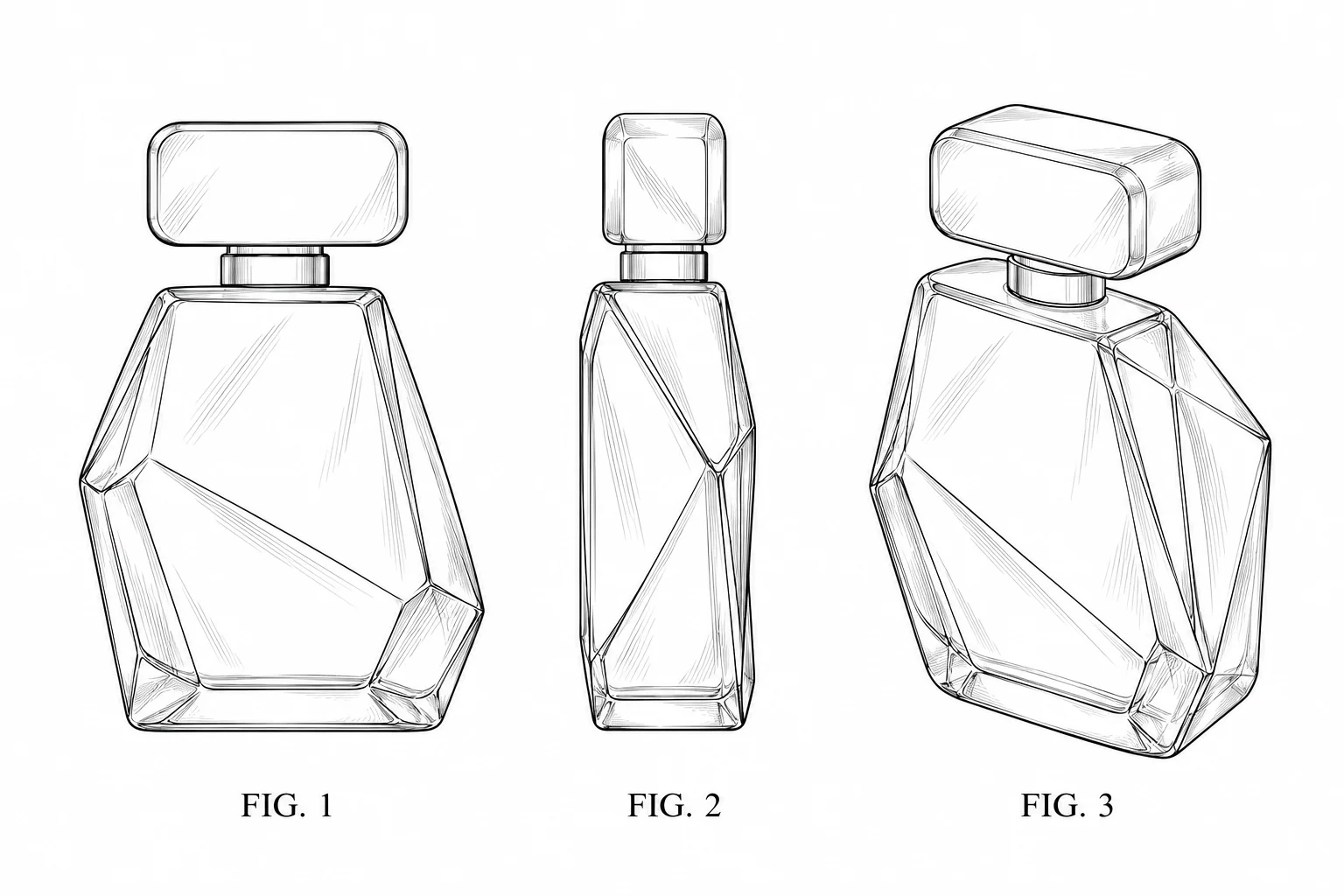
Generate design patent drawings of product exteriors. Request perspective or orthographic views, check surface contours and download PNG illustrations.