
Cordless drill: housing and drive components
A product view and separated drive components illustrate the drill’s major assemblies. The example makes component relationships visible rather than treating the drawing as a product photo.
Create a monochrome technical drawing draft for a mechanical invention. Describe the mechanism and its visible parts, request an appropriate view, and review the PNG against the actual design.
Free to try ·
Your patent drawing will appear here
Describe the view and components to generate a PNG for review.
A clear prompt helps direct the composition, while a human review checks the image against the invention.
List the motor, housing, chuck, and battery separately. Distinguish an exterior view from a view that separates components.
Describe pivot locations, jaw orientation, and fastener connections. Do not ask the model to infer an unshown motion path.
Check geometry, numbering, and view consistency. PNG images do not contain editable CAD or vector layers, and filing requirements need a separate review.
List the motor, housing, chuck, and battery separately. Distinguish an exterior view from a view that separates components.
Describe pivot locations, jaw orientation, and fastener connections. Do not ask the model to infer an unshown motion path.
Check geometry, numbering, and view consistency. PNG images do not contain editable CAD or vector layers, and filing requirements need a separate review.
Explore a drill drive, a piston pump and a blender section, each emphasizing a different mechanical connection or internal arrangement.
A product view and separated drive components illustrate the drill’s major assemblies. The example makes component relationships visible rather than treating the drawing as a product photo.
A perspective and sectional view connect the lever to the piston and distinguish the inlet valve from the outlet. Check the direction of the drive motion and each fluid connection.
The exterior view identifies the jar and base; the section illustrates the blade, shaft, and motor relationship. Hidden details need a supplied description or reference.
Define the major mechanical assemblies · Show contact and attachment relationships · Supply evidence for internal sectional details
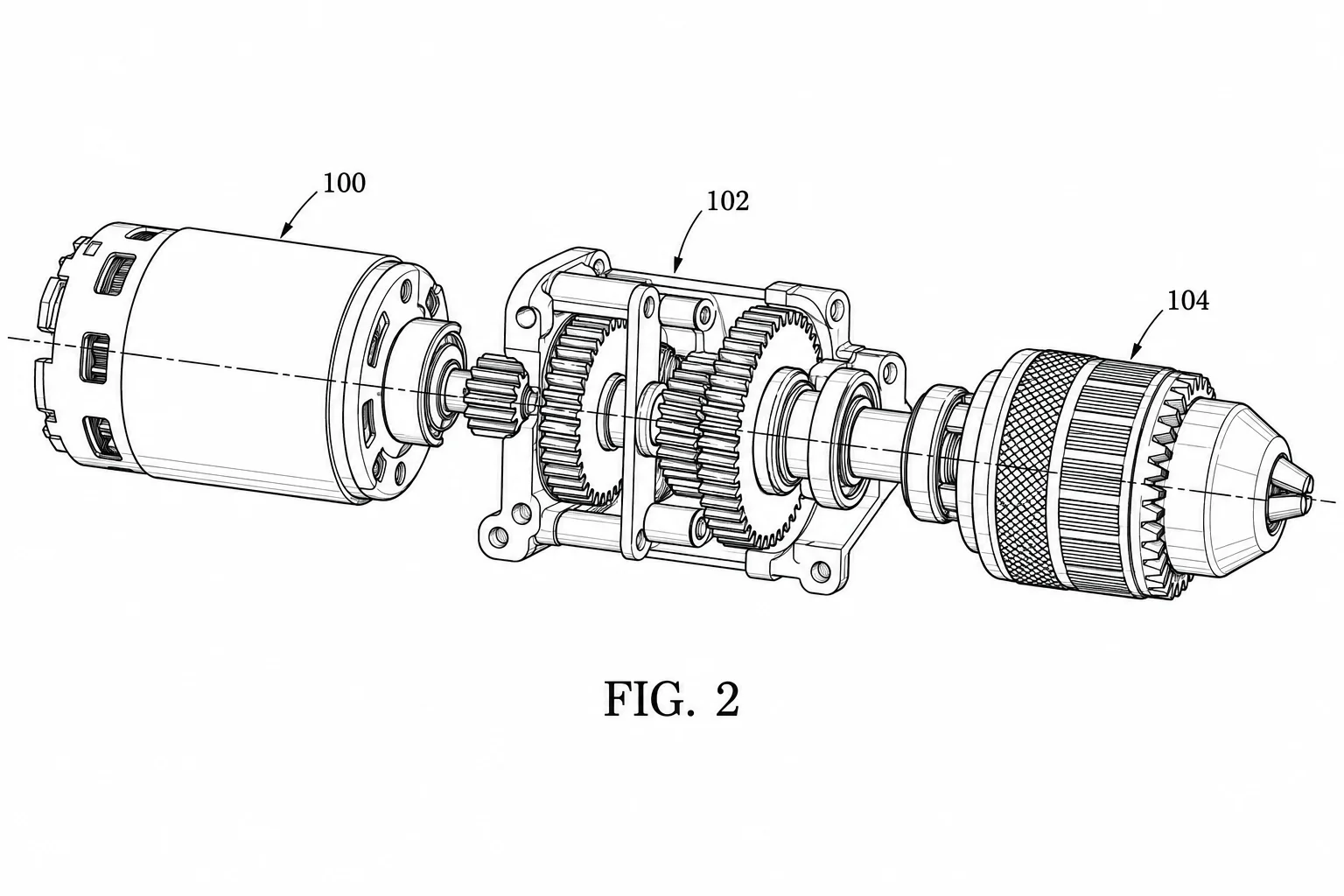
List the motor, housing, chuck, and battery separately. Distinguish an exterior view from a view that separates components.
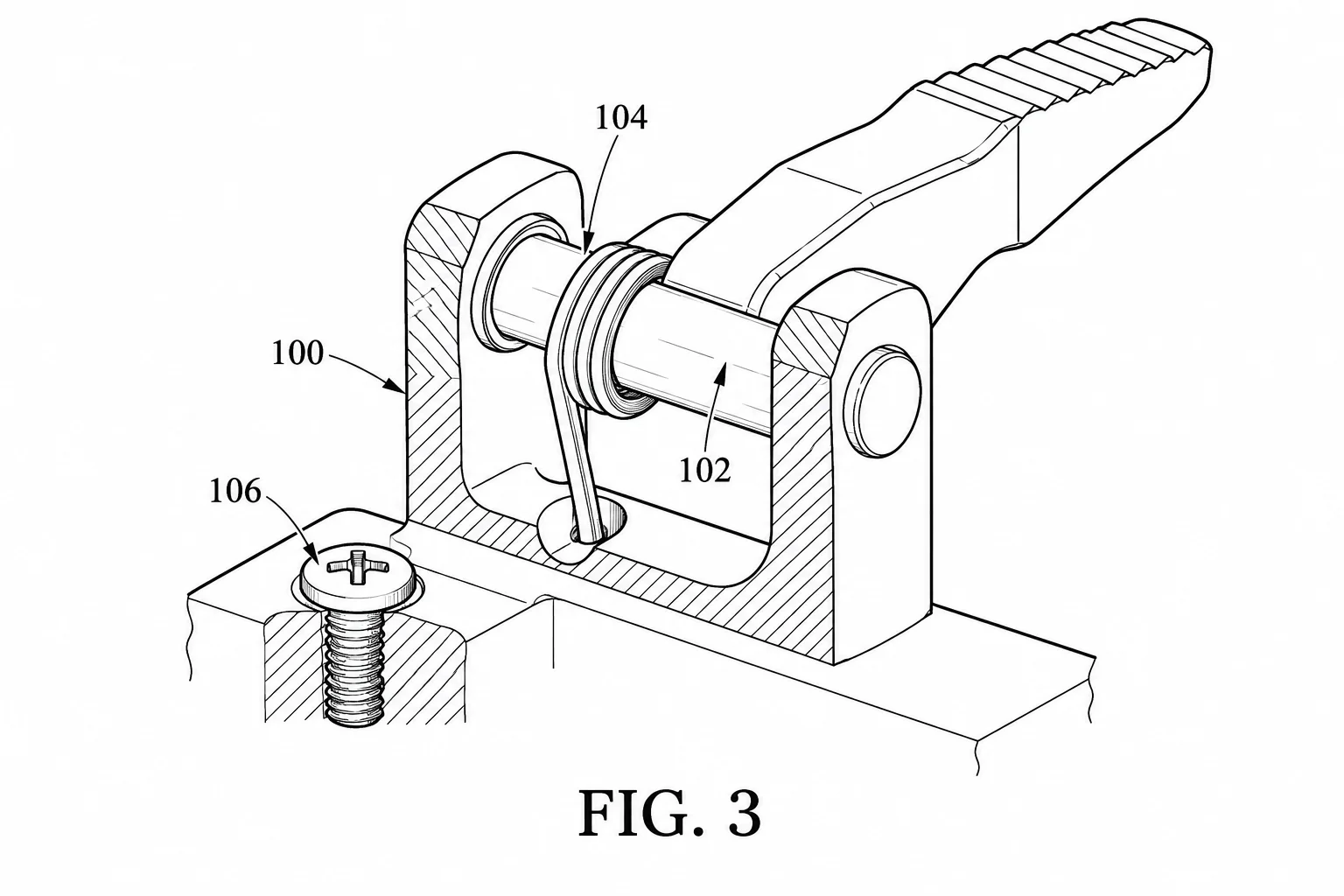
Describe pivot locations, jaw orientation, and fastener connections. Do not ask the model to infer an unshown motion path.
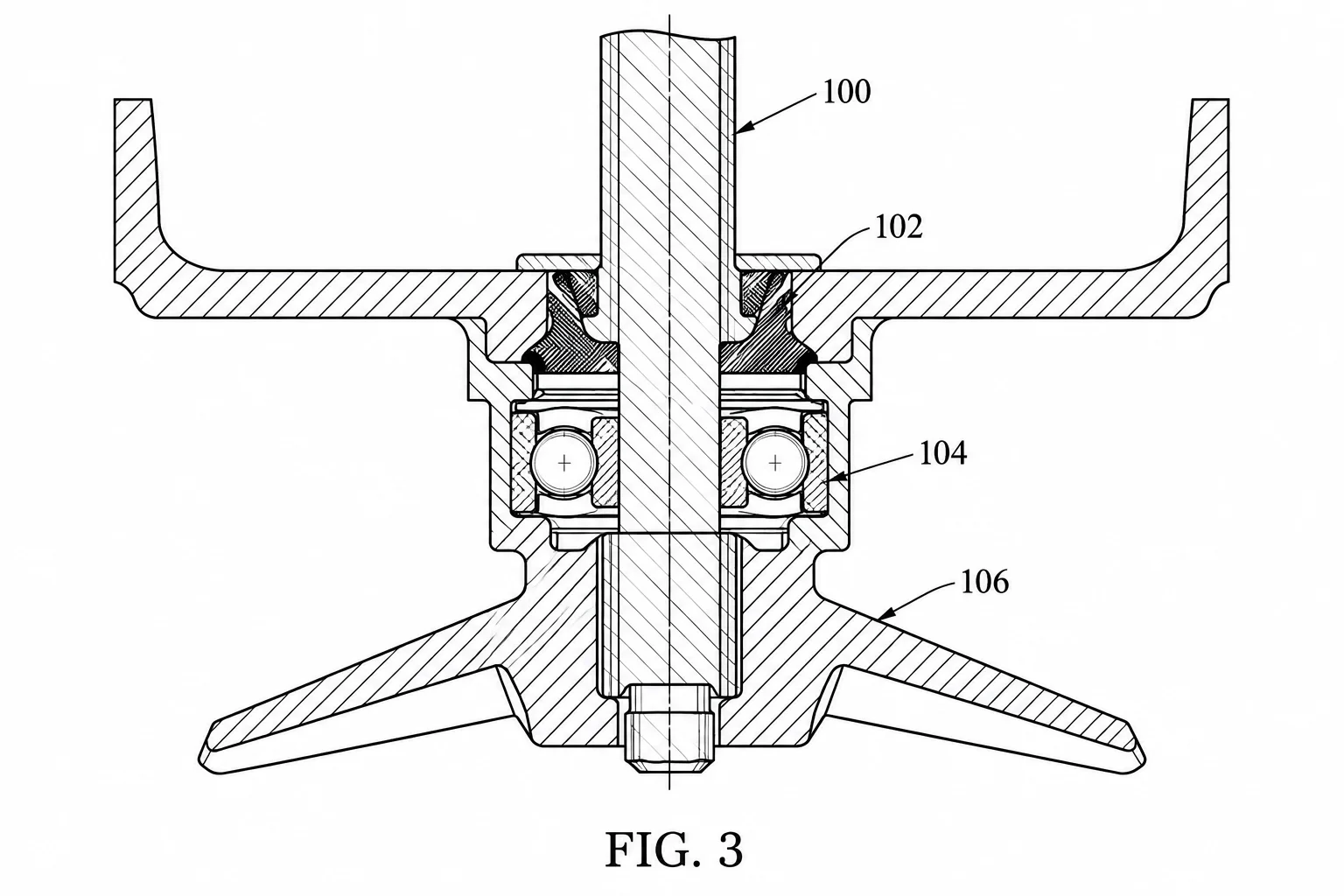
Provide a section reference or explain the shaft and motor arrangement. Check hatching and boundaries against the real assembly.
Compare subscription plans and one-time credit packs for AI patent drawing generation. Every generated image downloads as PNG and should be reviewed before use.
For occasional patent drawings.
Includes
For regular invention and product workflows.
Includes
For frequent, high-volume image generation.
Includes









 Patent drawing
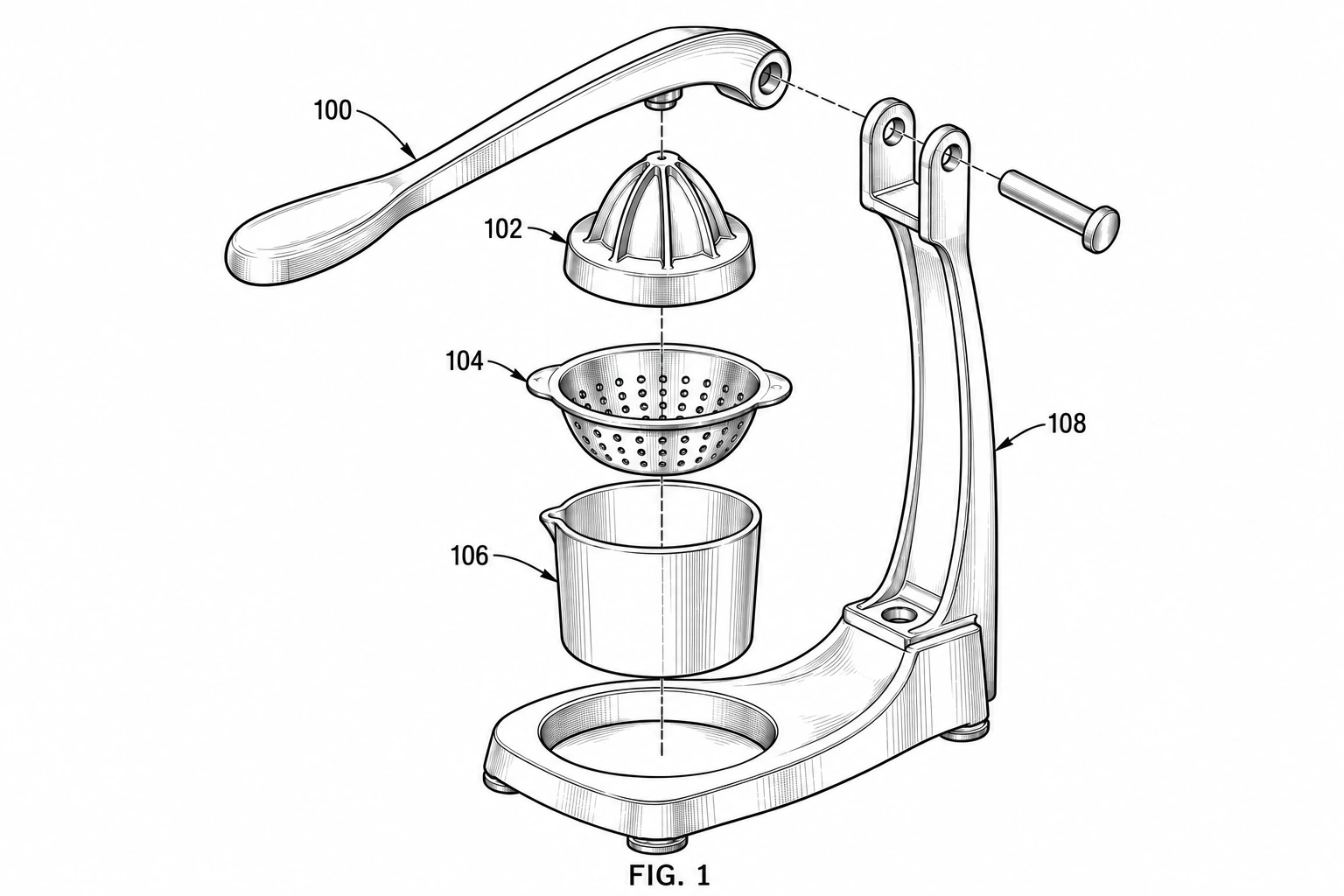
Create an exploded-view composition that separates plausible components of a physical product. Describe how the parts fit together, then check the generated PNG for component order and alignment.
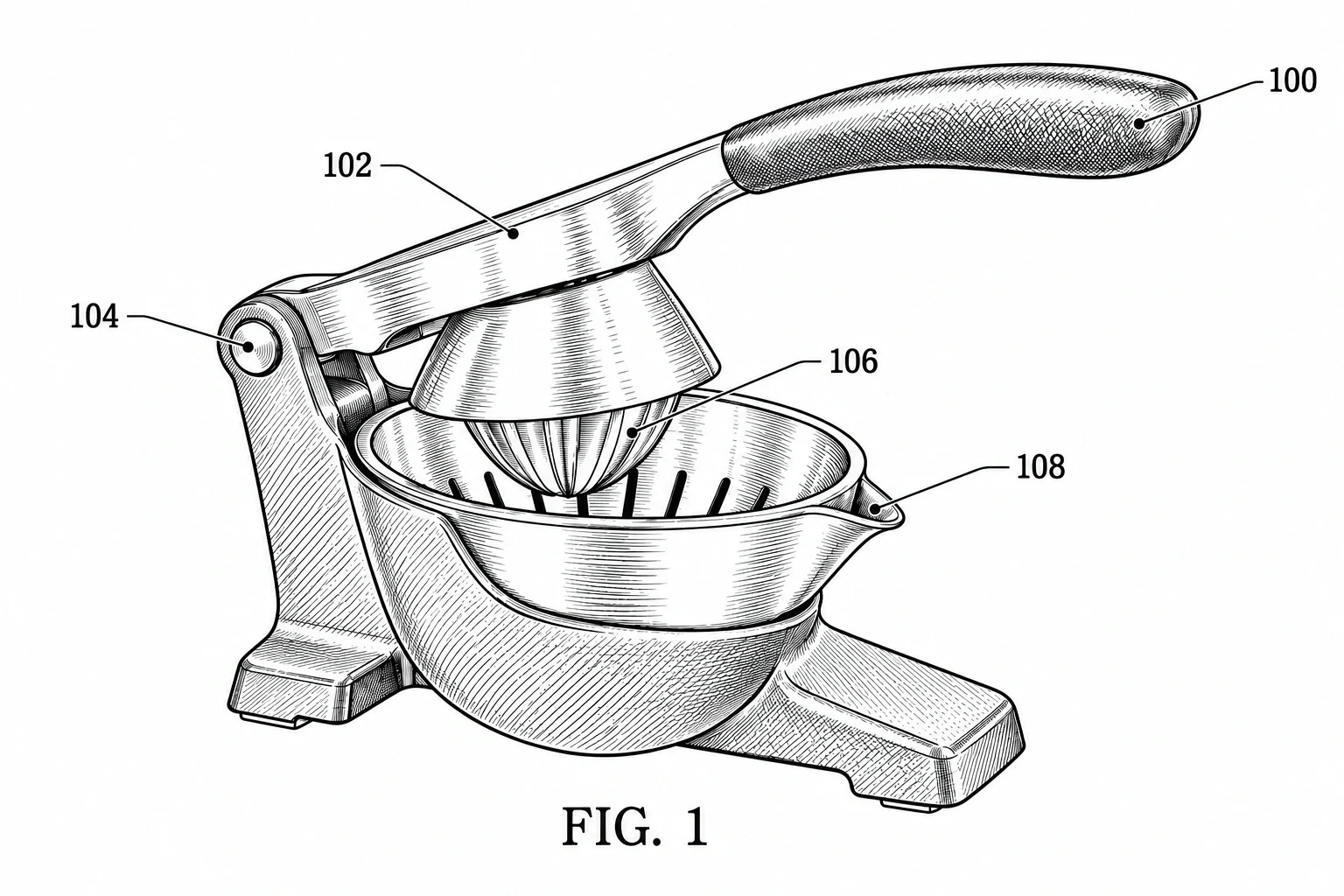 Patent drawing
Turn a product photo into a patent-style drawing draft. Upload a clear reference image, describe the visible features to retain, and review the generated PNG against the actual product.
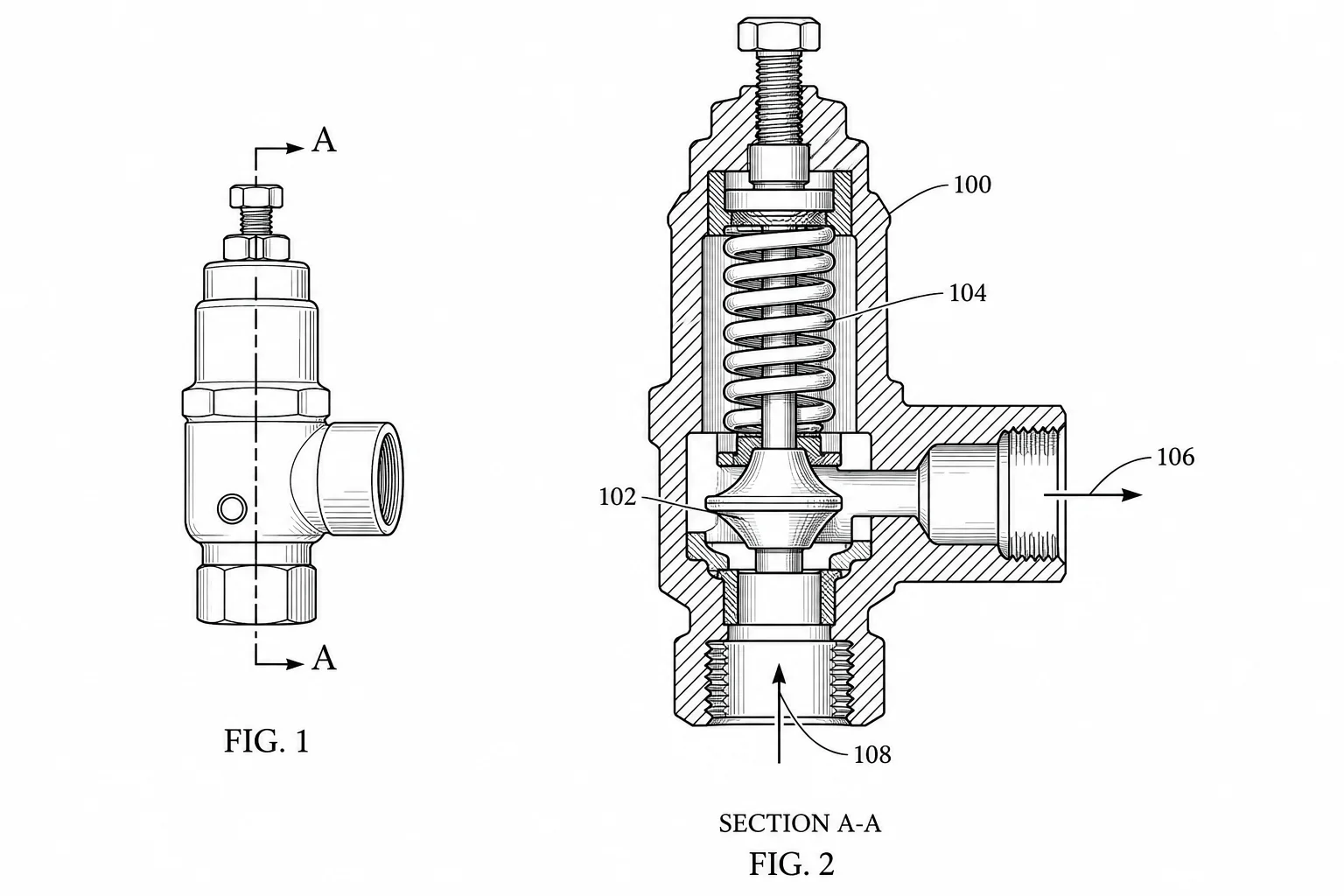 Patent drawing
Create cross-section patent drawings from text or a reference. Show internal parts, section boundaries and hatching, then review and download a PNG.